
5 Signs You Need a Deep Tissue Massage in Manhattan, NY

Your body usually tells you when something is wrong long before you’re willing to admit it. You may find yourself constantly massaging your neck during meetings or waking up feeling stiffer than when you went to sleep. These small habits are often the first clue that your muscles need more than a good night’s sleep.
At Bodywise, we work with clients across Manhattan who spend their days hunched over laptops, standing on their feet for ten-hour shifts, or pushing through workouts without proper recovery. Over time, that kind of physical stress builds up in the deeper layers of muscle tissue, and it doesn’t go away with stretching alone. That’s usually when a deep tissue massage in Manhattan, NY becomes the right next step.
In this article, we’ll walk through five clear signs your body is asking for deep tissue work, why these symptoms show up in the first place, and what to expect when you finally book that session.
What Makes Deep Tissue Massage Different
Before we get into the signs, it helps to understand what sets deep tissue massage apart from a typical relaxation massage. A Swedish massage works on the surface, using light to medium pressure to ease general stress. Deep tissue massage goes further. It uses slow, firm strokes to reach the muscle fibers and connective tissue underneath, where chronic tension and adhesions actually live.
This isn’t about brute force. It’s about applying focused, sustained pressure to the exact spots that are holding tension, so the tissue can release and function properly again. If you’ve tried lighter massages and still feel knotted up afterward, that’s often a sign your body needs the deeper approach.
1. You Have Persistent Knots or Muscle Tightness That Won’t Release
If you can press your fingers into your shoulder or upper back and feel a hard, rope-like band under the skin, that’s a muscle knot, also known as a trigger point. These knots form when muscle fibers stay contracted instead of relaxing normally, often from repetitive movement, poor posture, or stress.
The tricky part is that knots rarely go away on their own. Foam rolling and stretching might ease the discomfort temporarily, but the deeper adhesion stays put. A deep muscle massage in Manhattan, NY targets these specific areas with sustained pressure, working the tissue until it actually softens and releases, rather than just masking the tightness for a day or two.
Common areas where we see this in our Manhattan clients include:
- Between the shoulder blades
- Along the upper trapezius, near the base of the neck
- The lower back, especially near the hips
- Calves and hamstrings in runners and cyclists
2. Your Neck, Shoulders, or Back Ache After a Full Day at Your Desk
Manhattan runs on desk jobs, and desk jobs are hard on the body in ways most people don’t realize until the pain sets in. Sitting for hours at a time shortens the hip flexors, rounds the shoulders forward, and places constant strain on the muscles that support your neck and upper spine.
If you notice a dull ache creeping in by mid-afternoon, or you’re reaching for pain relievers most evenings, that discomfort is a pattern, not a one-off. Massage therapists in Manhattan, NY see this constantly among office workers, and it’s one of the most common reasons clients come to us for deep tissue sessions. Regular treatment helps loosen the tight muscles causing the ache and can slow down the postural changes that come from years of sitting.
Signs Your Desk Job Is Catching Up With You
- Tension headaches that start at the base of your skull
- Rounded shoulders or a forward head posture
- Tightness that gets worse as the workday goes on
- Discomfort that improves over the weekend but returns by the middle of the week
3. You’re Recovering From an Intense Workout or Physical Job
Sore muscles after a hard workout are normal, but soreness that lingers for days, or muscle fatigue that never fully resolves between sessions, is a different story. Athletes, runners, and anyone doing physically demanding work put repeated stress on the same muscle groups, and that stress needs somewhere to go.
Deep tissue massage helps by increasing blood flow to the affected tissue, which supports faster recovery and reduces the buildup of tension that leads to injury down the line. If you train regularly or work a physically demanding job, whether that’s construction, nursing, or standing behind a counter all day, this kind of bodywork isn’t a luxury. It’s maintenance.
A search for deep tissue massage near me in Manhattan, NY often spikes right after marathon season or during the busiest months for movers, delivery drivers, and warehouse staff. That timing isn’t a coincidence. Bodies under repetitive strain need targeted recovery, not just rest.
4. You Have Limited Range of Motion or Stiffness That Won’t Loosen Up
Have you noticed you can’t turn your head as far as you used to, or reaching overhead feels tighter than it should? Chronic muscle tension doesn’t just cause pain. It also restricts movement over time, as tight tissue pulls on the joints and limits how far they can comfortably move.
This kind of stiffness tends to sneak up gradually, so it’s easy to write off as “just getting older” or assume it’s permanent. In many cases, it isn’t. Deep tissue work addresses the underlying tightness in the muscle, not just the joint itself, which is often what’s actually limiting your movement in the first place.
If any of these situations sound familiar, it’s time to take notice:
- Trouble fully rotating your neck to check a blind spot while driving
- Shoulders that feel locked when reaching for something overhead
- Tightness in your hip during squats or lunges
- Lower back stiffness when getting up from a chair
5. Stress Has Settled Into Your Body, Not Just Your Mind
Stress doesn’t stay in your head. It shows up physically, most often as a tight jaw, hunched shoulders, or a back that feels like it’s carrying a weight you can’t put down. This is your nervous system keeping muscles in a low-grade state of contraction, even when you’re not consciously aware of it.
Many of our Manhattan clients come in describing exactly this: they aren’t injured, they aren’t training for anything, they just feel wound up in a way that won’t ease with rest alone. A deep massage near me in Manhattan, NY search is often less about a specific injury and more about needing real, physical relief from weeks of built-up tension.
Deep tissue massage can help here in two ways. It physically releases the muscle tension that stress creates, and the sustained, focused pressure has a calming effect on the nervous system itself. Clients frequently tell us they leave feeling lighter, both physically and mentally.
What to Expect From a Session
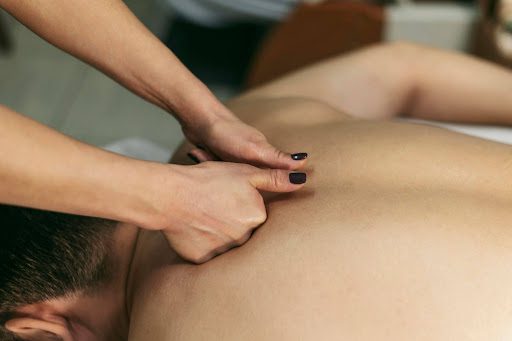
If you recognize yourself in one or more of these signs, it helps to know what you’re walking into. At Bodywise, every deep tissue treatment starts with a brief conversation to understand your pain points and wellness goals. From there, your therapist works through the muscle groups involved, using slow, deliberate pressure and checking in with you along the way.
Deep tissue work should feel firm and purposeful, sometimes even intense in tight spots, but it should never cross into pain you can’t tolerate. If something feels like too much, say so. A good therapist will adjust in real time rather than pushing through regardless of your feedback.
Mild soreness for a day or two afterward is normal, similar to how you’d feel after a solid workout. Drinking water, moving gently, and giving your body a little extra rest all help you get the most out of the treatment.
How Often Should You Book a Deep Tissue Massage?
This depends on what’s going on with your body. As a general guide:
- Acute tension or recent injury: weekly sessions until symptoms ease
- Ongoing desk-job tightness or training recovery: every two to three weeks
- General maintenance and stress management: once a month
Your therapist can help you settle on a schedule based on how your body responds, since everyone recovers at a different pace.
Common Mistakes People Make With Muscle Tension
Even well-meaning efforts to deal with tight muscles can fall short. A few patterns we see often:
- Waiting too long to address it. Minor tightness is easier to resolve than tension that’s had months to settle into the tissue.
- Relying only on stretching. Stretching helps, but it rarely reaches the deeper adhesions that cause chronic tightness.
- Going too hard, too fast. Aggressive pressure without proper technique can leave muscles more inflamed, not less.
- Skipping aftercare. Not drinking enough water or jumping straight into intense exercise after a session can blunt the benefits.
Why Manhattan Clients Choose Bodywise
We understand that finding the right fit among the many massage therapists in Manhattan, NY takes some trust. Here’s what our clients consistently value the most:
- Licensed therapists with years of hands-on clinical experience
- Sessions tailored to your specific tension patterns, not a one-size-fits-all routine
- A clean, comfortable studio designed around your comfort
- Flexible scheduling, including evenings and weekends
- Session lengths of 60, 90, or 120 minutes, depending on how much work your body needs
We treat every appointment as a chance to actually solve the problem you came in with, not just deliver a generic massage.
Frequently Asked Questions
How do I know if I need a deep tissue massage instead of a regular massage?
If you have persistent knots, chronic stiffness, or discomfort that lighter massages haven’t resolved, deep tissue work is likely the better fit. It targets the deeper muscle layers that surface-level techniques can’t reach.
Is deep tissue massage supposed to hurt?
It shouldn’t be unbearable. You may feel firm pressure or “productive discomfort” in tight areas, but a skilled therapist will always adjust based on your feedback.
How long until I feel relief after a session?
Many clients notice looser muscles and better movement right after their appointment, though some soreness for a day or two is normal, especially after the first session.
Can deep tissue massage help with tension headaches?
Yes. Tension headaches are frequently linked to tight muscles in the neck and shoulders. Releasing that tension can reduce how often headaches occur.
How often should I get a deep tissue massage for chronic pain?
Weekly sessions are common when you’re first addressing chronic pain, tapering to every two to four weeks once the tension is under better control.
Is it normal to feel sore the next day?
Yes, mild soreness for 24 to 48 hours is a typical response to deep tissue work, similar to post-workout muscle fatigue. It usually resolves on its own.
Do I need to prepare anything before my appointment?
Not much. Staying hydrated beforehand and avoiding a heavy meal right before your session can make the experience more comfortable.
What should I avoid doing after my massage?
Skip intense exercise for about 24 hours, drink plenty of water, and consider gentle stretching to help extend the benefits of your session.
Ready to Feel Like Yourself Again?
If any of these five signs sound familiar, your body has likely been asking for help for a while now. A deep tissue massage in Manhattan, NY isn’t just a treat; it’s a practical way to address the muscle tension, stiffness, and stress that build up from daily life in the city.
At Bodywise, we’re here to help you move easier, recover faster, and actually feel the difference after your session. Call us at (917) 225-0975 or email hello@bodywisellc.com to book your appointment, and let’s get to the root of that tension together.